 murphy
Camphor
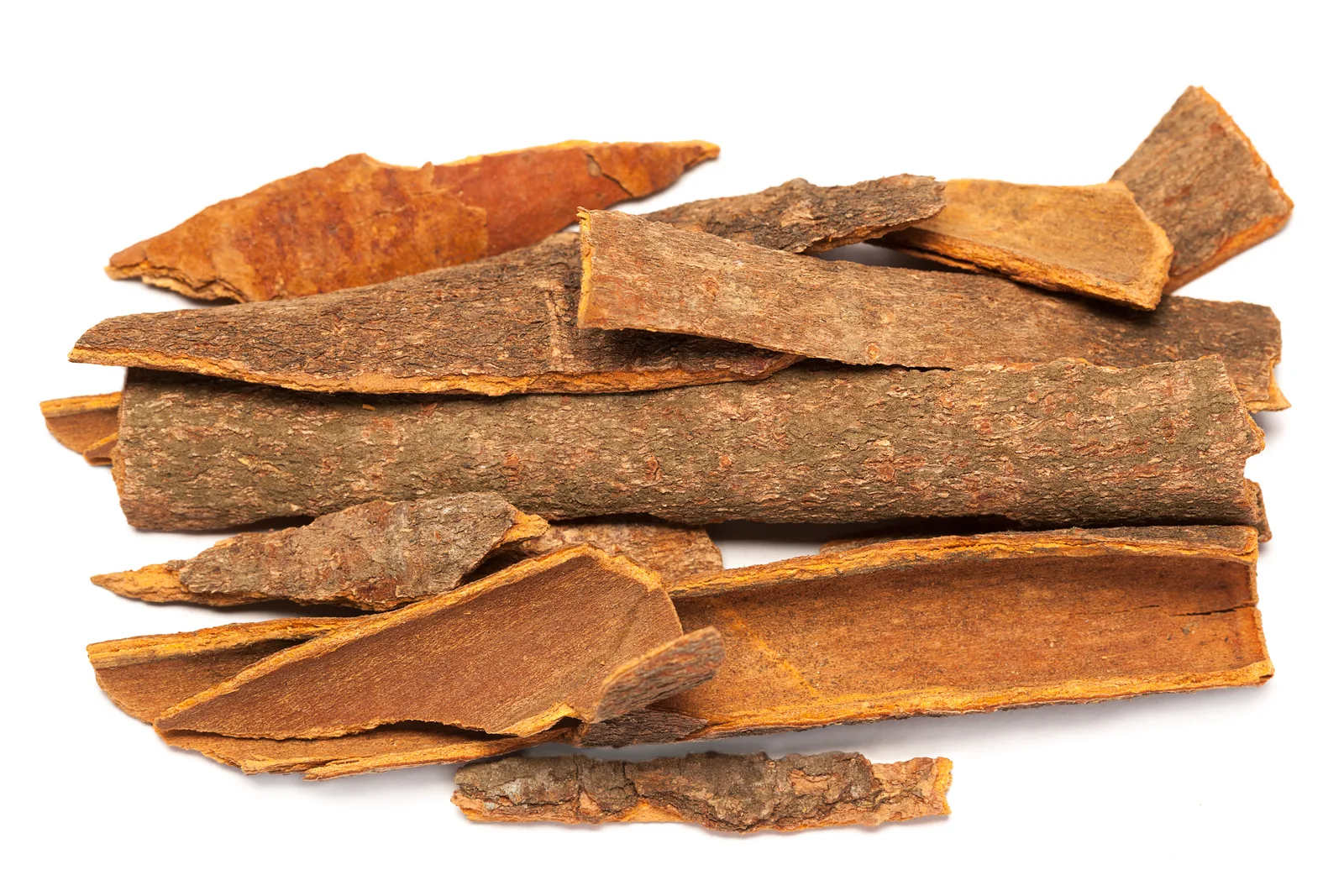
AKA: D-CAMPHOR, (R)-(+)-Camphor, (1R, 4R)-1, 7, 7-trimethylbicyclo[2.2.1]heptan-2-one, (R)-Camphor, (1R)-(+)-Camphor, Alcanfor, Japanese camphor, D-2-Camphanone, D-(+)-Camphor, Formosa camphor
The New Tendency Complete Set
Nécessaire
Clearing Mask
Indie Lee
Detox & Clarify Collection
Goldfaden MD
Facial Detox
Goldfaden MD
Hoppin’ Fresh Bar Soap
Ursa Major
The New Tendency Duo
Nécessaire
Ready, Set, Smooth
Goldfaden MD
Regenerating Gel Mask
Grown Alchemist
Banish Solution
Credo Beauty
The Body Lotion 450 ml | Multi-Peptide
Nécessaire
The Body Wash 100 ml | Multi-Acid | Hinoki
Nécessaire
Phyto-Retinol Advanced Clinical Cream
True Botanicals
Hoppin’ Fresh Bar Soap
Ursa Major
Synthetic
Not Clean
OriginDerived from pinene, a volatile hydrocarbon found in pine oil and turpentine, through oxidative cyclization processes. Synthesized via catalytic oxidation of alpha-pinene or through hydrogenation of camphorquinone to produce the crystalline ketone compound.
1,7,7-Trimethylbicyclo[2.2.1]-2-heptanone; Bornan-2-one
Solubility less than 1 mg/mL at 59 °F (NTP, 1992)
Formula
C10H16O
Mol. Weight
152.23
CAS #
464-49-3, 76-22-2
Form
Wax
State
D-camphor appears as colorless or white crystals. Sublimes. Flash point 149 °F. Burns readily with a bright, smoky flame. Penetrating aromatic odor. Pungent, aromatic taste followed by a sensation of
Skin Types
●all-skin-types
Best For
Irritation
Pregnancy & Breastfeeding Safe
Caution
Functions
Denaturant
Plasticiser
The paper trail
🔬Peer-reviewed1 paper →
⚖️Regulatory1 listing →
🛡️Safety-assessed1 review →
Counts, not a verdict. A listing isn't a study. The trail, you decide.
Verified Jun 2026
Data: PubChem · CosIng · EWG · CIR